August 12, 2026 • Maren Solley • 11 min reading time • Prices verified June 12, 2026
Softside vs. Hardside Luggage Sets: What Three Years of Owner Reviews Reveal
Softside vs. Hardside Luggage Sets: What Three Years of Owner Reviews Reveal
When you’re shopping for a luggage set — a matching group of two or three suitcases in graduated sizes, sold together — you’ll immediately face one structural decision: softside (bags made from flexible fabric like polyester or nylon) or hardside (bags with rigid shells, usually polycarbonate or ABS plastic)? Each type has a completely different personality. Softside bags flex, expand slightly, and tend to absorb knocks without cracking. Hardside bags hold their shape rigidly, protect fragile contents more reliably, and typically offer a cleaner modern silhouette. Neither is universally superior. After three years of digging through aggregated owner reviews across popular budget and mid-range sets, what stands out most is how confidently buyers in each camp defend their choice — often while explicitly dismissing the other. That pattern is a signal worth taking seriously, and this article maps it to specific travel scenarios so you can decide before your bag comes home damaged, not after.
What Owners Actually Fight About — And Why Both Sides Are Right
The softside-vs-hardside debate isn’t really about objective quality. It’s about which failure mode you’re most afraid of.
The softside camp argues that fabric bags absorb airport abuse rather than succumbing to it. A hardside shell that takes a sharp impact from a baggage conveyor belt can crack or develop stress fractures along its seams; a softside bag in the same scenario compresses and springs back. Across aggregated owner reviews, softside owners at the budget-to-mid price tier report very few structural failures — zippers and handles attract more complaints than the fabric body itself.
The hardside camp counters that structure is the point. Owners of mid-range polycarbonate hardside sets frequently emphasize consistent shell integrity and the reassurance that fragile items inside are genuinely protected. Travelers packing electronics, toiletries in glass bottles, or souvenirs prefer knowing the bag won’t deform under a pile of checked luggage in a cargo hold.
Both camps are describing real phenomena. The tradeoff is real, not marketing spin.
Smarter Travel’s guide “Hardside vs. Softside Luggage: Which Is Right for You?” reinforces this split, noting that polycarbonate shells distribute point-impact force effectively but are more vulnerable to sustained crushing pressure, while fabric shells handle compression better but offer less protection against sharp penetration. The Independent Traveler’s piece “How to Choose Luggage” similarly frames the decision around use case rather than a universal winner — a framing that aligns precisely with what owner review patterns demonstrate over time.
Side-by-Side: How the Two Types Actually Compare
Durability and Impact Resistance
At the budget tier, softside sets built from 1680D or higher-denier polyester absorb conveyor-belt impacts and rough cargo handling without structural failure. The primary failure mode is zipper stress under extreme overpacking, not fabric rupture. Budget hardside sets at this tier typically use ABS plastic shells, which are more brittle — owners of ABS-shell sets report corner cracking within 10–20 trips under normal checked-bag use. If you’re spending under $100 on a set and plan to check bags regularly on routes with a reputation for aggressive handling, softside is the lower-risk choice.
HOTOR
$12.99
In stock on Amazon
Check price on AmazonIn the $100–$250 range, hardside sets shift to polycarbonate or polycarbonate-ABS blends — the same general shell category used by premium brands at significantly higher price points. Smarter Travel’s hardside-vs-softside overview specifically identifies polycarbonate as the material that meaningfully narrows the durability gap between budget and premium tiers. At this price point, the question is no longer “will the shell crack?” but “does the warranty cover it if it does?” — and that’s where premium brands retain a legitimate advantage.
Aerotrunk
$59.99
In stock on Amazon
Check price on AmazonPremium polycarbonate hardside sets from brands like Samsonite, Rimowa, or Briggs & Riley add co-branded warranty terms, established repair ecosystems, and spare-parts availability that budget and mid-tier sets cannot reliably match. For a five-year or longer ownership horizon, that infrastructure matters. The Independent Traveler’s luggage guide notes that repair access and warranty enforcement are areas where investment in a premium brand genuinely differentiates from budget equivalents, regardless of initial shell quality.
Samsonite
$394.34
In stock on Amazon
Check price on AmazonPacking Flexibility and Capacity
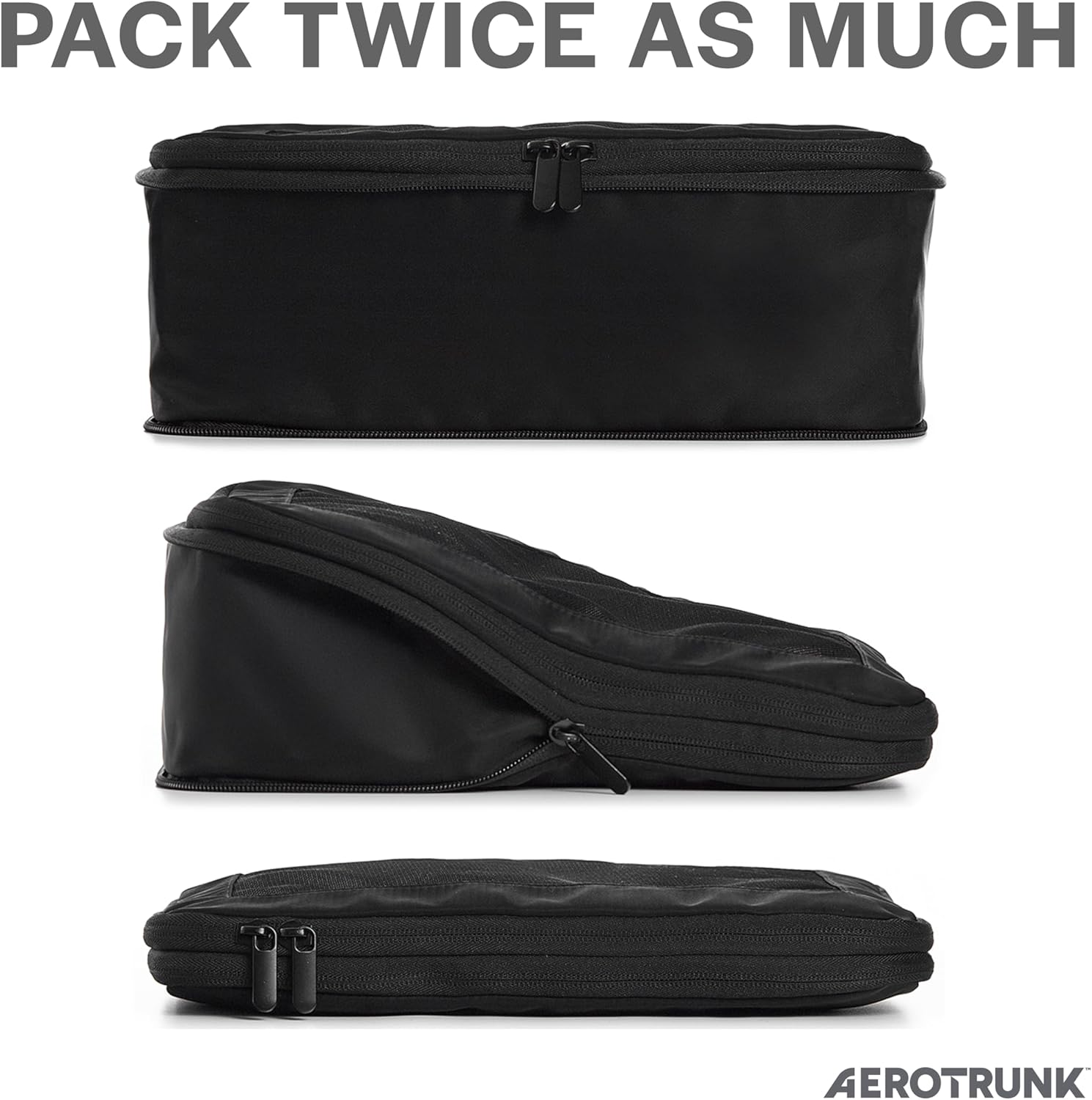
Budget softside sets offer the clearest packing-flexibility advantage at this tier. Fabric walls typically accommodate 10–15% beyond stated capacity without zipper failure under moderate overpacking — meaning one extra sweater or a pair of shoes you decided at the last minute to bring. This flexibility is the number-one reason budget softside buyers describe themselves as repeat purchasers of the same set.
HOTOR
$12.99
In stock on Amazon
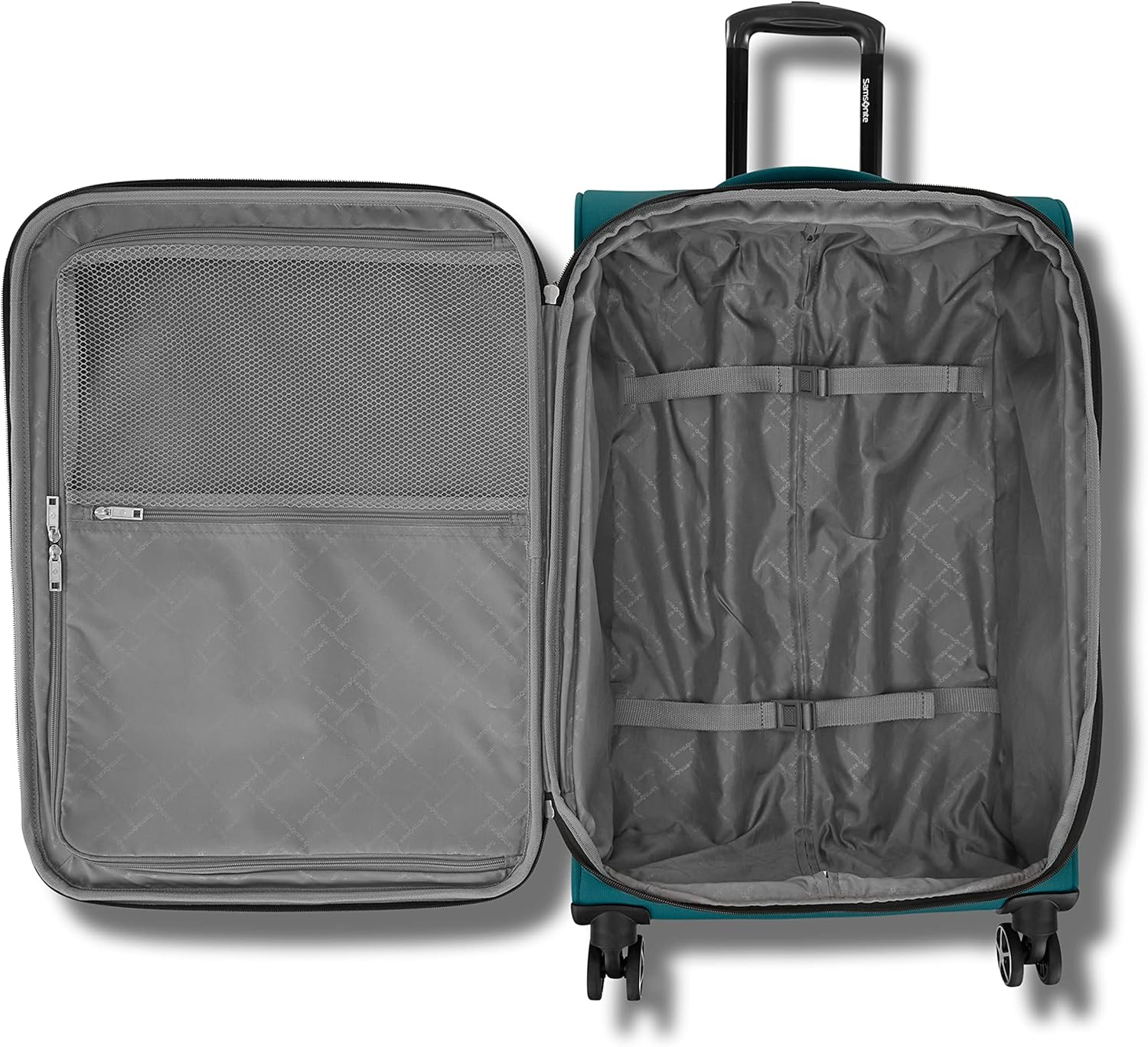
Check price on AmazonMid-tier hardside sets address the fixed-volume problem partially through butterfly-open interiors with compression straps on both sides, which helps organize contents even if it doesn’t expand total capacity. Some mid-range hardside sets also feature expansion zippers that add 10–15% capacity — though owners note the expansion feature increases zipper-perimeter stress. If you travel with predictable packing lists and don’t improvise at the last minute, the fixed-volume constraint of a hardside set is a non-issue. If you pack differently on every trip, softside remains more forgiving at every price tier.
Aerotrunk
$59.99
In stock on Amazon
Check price on AmazonPremium softside sets from brands like Tumi or Eagle Creek offer the best of both worlds: high-denier ballistic nylon or proprietary fabrics that resist abrasion and penetration better than budget polyester, combined with the packing flexibility inherent to fabric construction. Condé Nast Traveler’s “Best Luggage Sets” 2025 edition highlights this tier as the sweet spot for frequent travelers who check bags regularly and want durability without sacrificing the overpacking latitude that only fabric provides.
Samsonite
$394.34
In stock on Amazon
Check price on AmazonExterior Access and Organizational Features
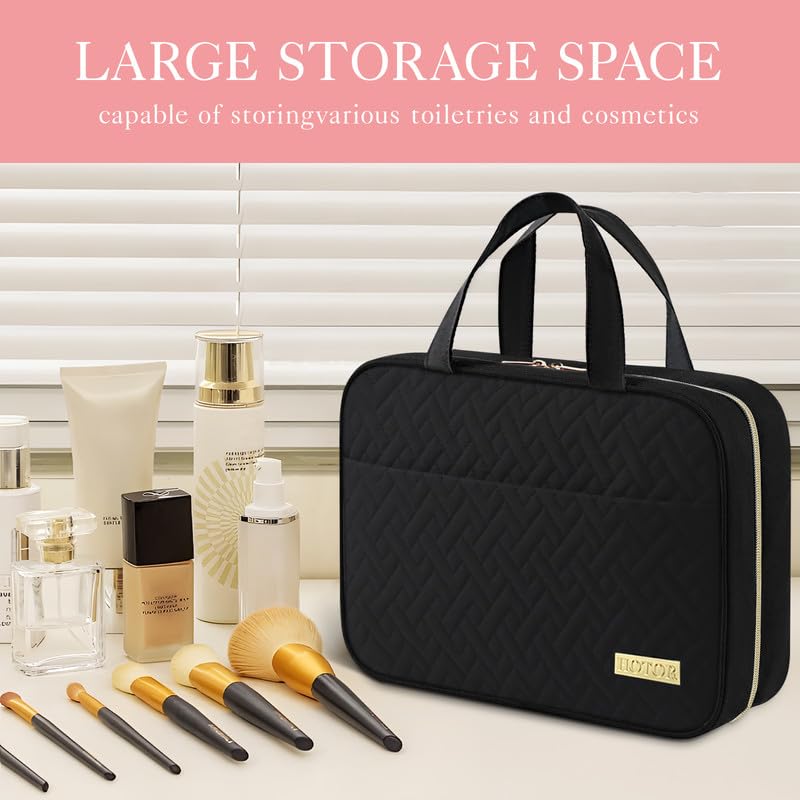
Budget softside sets consistently offer two to four exterior zip pockets — a feature hardside sets at any price point largely cannot match, because rigid shells don’t accommodate exterior pocket construction the same way. For travelers who want to keep a phone charger, travel documents, or a neck pillow accessible without opening the main compartment, this is a genuine functional advantage. Budget hardside sets at this tier typically offer zero to one exterior pocket.
HOTOR
$12.99
In stock on Amazon
Check price on AmazonMid-tier hardside sets compensate for the exterior-pocket deficit with superior interior organization: dedicated compartment dividers, removable packing cubes in some sets, and lid-side mesh pockets. The Points Guy’s “Best Luggage Sets of 2025” notes this organizational depth as a distinguishing feature of mid-range hardside sets versus their budget counterparts, where interior space is often a single open cavity on each side. For travelers who prefer a systematic packing approach over grab-and-go exterior access, this interior architecture is a meaningful upgrade.
Aerotrunk
$59.99
In stock on Amazon
Check price on AmazonPremium sets at either shell type tend to add purpose-built organizational systems — garment sleeves, compression panels, TSA-accessible toiletry pockets — that mid-tier sets approximate but don’t replicate. Whether that organizational architecture is worth a three-to-five times price premium depends on how systematically you pack; frequent business travelers tend to value it more than occasional leisure travelers.
Samsonite
$394.34
In stock on Amazon
Check price on AmazonSet Economics: Is a 3-Piece Set Actually Worth Buying?
One of the most practically useful findings buried in multi-year review data is the set-economics question: is buying a matched 3-piece set smarter than buying individual pieces?
A 3-piece set typically includes a 20-inch carry-on, a 24-inch mid-size checked bag, and a 28-inch large checked bag. Bought individually, comparable pieces from the same brand often cost 30–50% more than the bundled set price. If you genuinely use all three sizes across different trip types — a weekend city break with carry-on only, a 10-day beach vacation with a mid-size checked bag, and an annual long-haul trip with the 28-inch — the set economics are strong.
If you realistically travel carry-on only and occasionally check the mid-size, the 28-inch piece sits in a closet and you’ve overspent. The Points Guy’s 2025 luggage sets roundup flags this frequently, recommending sets specifically for families and travelers who regularly check bags, while steering solo minimalists toward single-piece investment purchases.
A separate value point emerges for budget buyers: at lower price tiers, genuine TSA-lock compliance and actual carry-on size compliance — not just claimed compliance — are less reliable than they should be. Multiple owner reviews across budget sets specifically call out whether the carry-on in the set legitimately fits within major airline size limits. If you’re buying budget and intend to use the carry-on as a real carry-on rather than a closet bag, seek out owner confirmations of dimensional compliance, not just the brand’s stated measurements.
Scenario-by-Scenario Decision Guide
You check bags on routes with a reputation for rough baggage handling. Softside is the defensible choice. Owner accounts of softside bags surviving handling that cracked or shattered previous hardside bags appear repeatedly and independently in review data — pointing to a genuine durability advantage for flexible shells under conveyor-belt and cargo-loading stress.
You pack fragile items in your checked bag. Hardside earns its place here. Rigid polycarbonate shells protect against compression from surrounding bags in cargo in a way fabric cannot. Smarter Travel’s “Hardside vs. Softside Luggage: Which Is Right for You?” attributes polycarbonate’s impact-distributing properties to the same material engineering principles used in protective equipment — force spreads across the shell surface rather than concentrating at a single point.
You travel by cruise ship. Condé Nast Traveler’s “Best Luggage Sets” guide specifically addresses cruise travel as a softside use case worth highlighting: cruise cabin storage is tight and irregularly shaped. Softside bags compress under beds or into narrow closet shelves; hardside bags cannot flex to fit. Cruise travelers also typically experience lighter dockside bag handling than airport baggage carousels, so the aggressive-handling argument for softside matters less here than the stowage-flexibility argument.
You’re a digital nomad doing monthly apartment moves. Hardside polycarbonate holds an advantage: shells resist surface scuffs and scratches better across dozens of taxi trunks and hostel storage rooms, and spinner wheels on mid-tier hardside sets roll more smoothly on urban pavement than fabric bags with comparable wheel specifications. The tradeoff is that hardside bags cannot compress into undersized storage spaces — which matters in some accommodations.
Frequently Asked Questions
Does softside luggage actually survive airline baggage handling better than hardside? Based on owner review patterns, softside does appear more resilient to conveyor-belt and cargo-loading stress. Fabric absorbs and distributes impact rather than concentrating it at a stress point. The softside failure mode — zipper stress — typically requires extreme or sustained overpacking to trigger, not normal airport handling.
Can you overpack a softside set without breaking zippers? Moderate overpacking — roughly 10–15% beyond stated capacity — is generally tolerated by quality softside sets. Zipper failure risk increases meaningfully beyond that threshold. Zipper construction quality varies significantly across budget sets; owner reviews are the most reliable signal of how a specific set handles real-world stuffing.
Will a budget hardside shell crack after a few trips? ABS shells can develop stress fractures within 10–20 trips under normal checked-bag handling. Polycarbonate and polycarbonate-ABS blend shells are significantly more durable. Verify shell material in the product specifications before purchasing — this single detail predicts long-run durability better than brand name at the budget tier.
Is a 3-piece set worth buying versus individual pieces? For travelers who use multiple bag sizes across different trip types, sets offer 30–50% savings over buying equivalent pieces individually. For minimalists who travel carry-on only most of the time, a single well-chosen carry-on is a better investment than a set where two pieces collect dust.
Which type is better for cruise travel specifically? Softside, primarily for stowage flexibility. Cruise cabin storage is irregular and tight; softside bags compress in ways hardside bags cannot. The aggressive baggage-handling argument for softside is less relevant dockside than at airports.
The Decision Rule
If you check bags regularly, travel routes with rough baggage handling, or need packing flexibility trip to trip: buy softside. The owner evidence is consistent, and the primary failure mode — zipper stress under extreme overpacking — is manageable with normal packing behavior.
If you pack fragile items, prioritize shell integrity over flexibility, or travel in contexts where stowage flexibility matters less than structural protection: buy hardside polycarbonate. Verify the shell material before purchasing. The durability gap between ABS and polycarbonate is real and compounds over a multi-year ownership horizon.
If you’re buying specifically for cruise travel: softside, without much deliberation. Cabin stowage flexibility is the deciding factor, and softside wins it cleanly.
The debate between these two camps isn’t going to resolve into a universal winner — which is precisely what three years of owner reviews keep demonstrating. Pick your failure mode, then buy accordingly.