August 30, 2026 • Maren Solley • 9 min reading time • Prices verified June 12, 2026
The Best Packing Cube Sets Under $25: Honest Picks for Weight-Conscious Packers
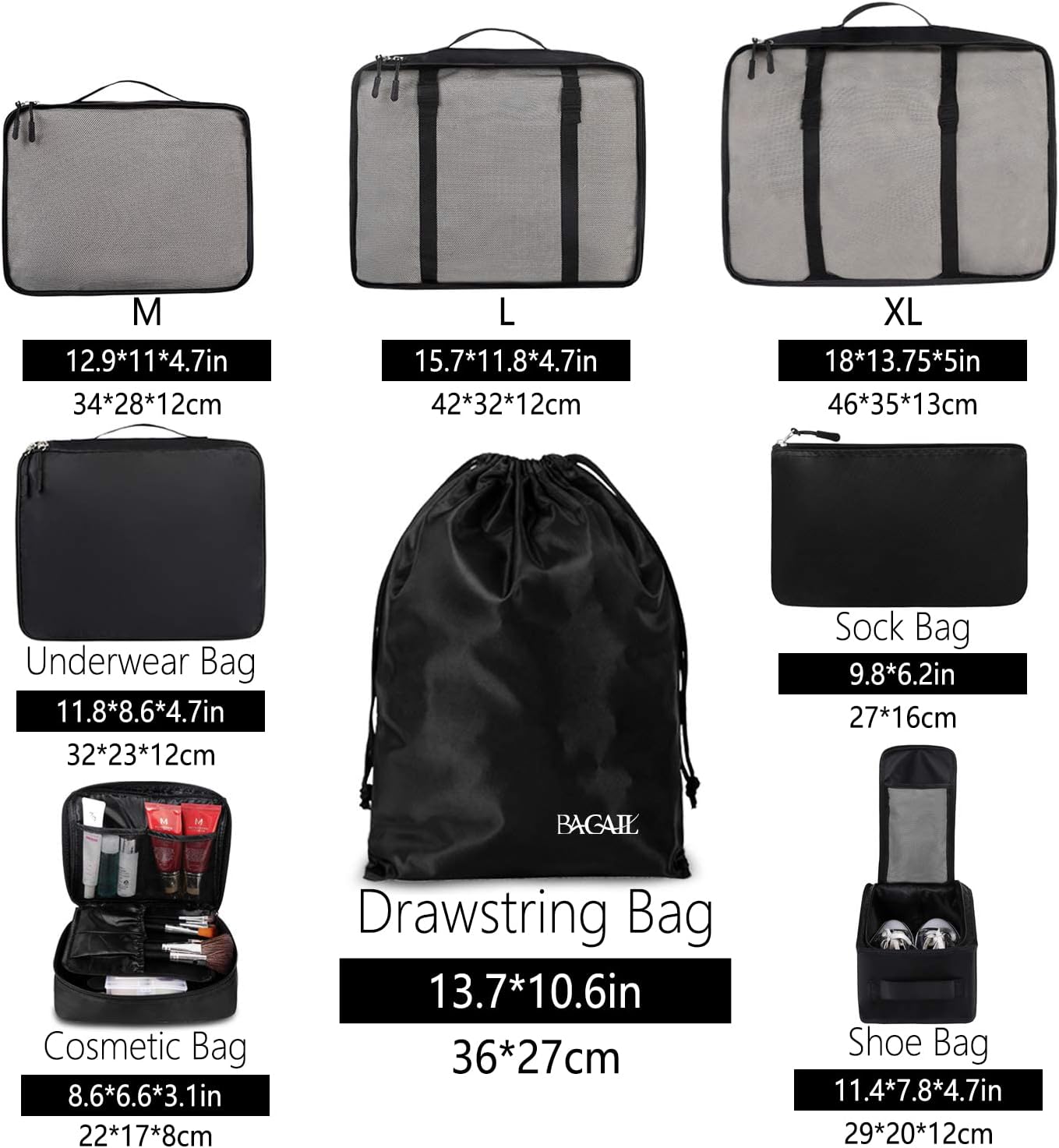
If you’ve ever opened your bag mid-trip and spent three minutes excavating a clean shirt from a landslide of clothes, packing cubes are the fix. A packing cube is simply a lightweight rectangular zip pouch — usually made from nylon or polyester mesh — that holds a category of clothing (shirts in one, socks and underwear in another) and slides in and out of your bag as a self-contained block. The benefit isn’t magic compression; it’s organization and speed. REI Co-op’s packing guide puts it plainly: cubes give your bag a consistent internal structure so you always know where things are, and they make repacking at 6 a.m. in a dark hotel room much less painful. At the under-$25 price point, you’re not getting the ultralight ripstop nylon of a $75 Eagle Creek set — but the tradeoff is narrower than the price gap suggests, and for many travel styles, the budget tier is the smarter buy.
This guide is for the traveler who already knows they want cubes and is trying to figure out whether a $20 set is a false economy or a genuine value. We’ll name the tradeoffs explicitly, show you where the budget tier actually holds its own, and give you a clear decision rule at the end.
| EDITOR'S PICKShacke 5 Set Packing Cubes for… | Mid-tierBAGAIL 4 Set/6 Set/8 Set Compre… | Budget pickAmazon Essentials 4-Piece Packi… | |
|---|---|---|---|
| Set pieces | 5 | 6 | 4 |
| Compression | — | ✓ | — |
| Mesh top | — | ✓ | ✓ |
| Laundry bag | ✓ | — | — |
| Double zipper | — | — | ✓ |
| Size | — | — | Large |
| Price | $26.99 | $19.99 | $18.89 |
| See on Amazon → | See on Amazon → | See on Amazon → |
What You’re Actually Giving Up (and Keeping) Under $25
Let’s be direct: the primary cost of going budget is weight and zipper longevity, not usability.
Weight. Premium cube sets from brands like Eagle Creek or Osprey often use 40D or 70D ripstop nylon — fabrics that weigh under 30 grams per cube at medium size. Most budget sets use heavier 190T or 210D polyester, and owner reviews across aggregated retail listings consistently note that a three-piece budget set runs 10–20% heavier than its premium equivalent. For a weekend city trip, that’s negligible. For a five-month overland trip where you’re shaving grams across every category, that difference compounds.
Zippers. Wirecutter’s review of packing cubes flags zipper failure as the most common point of long-term dissatisfaction in budget sets — specifically, sliders that start to skip or separate after 50–100 uses. That’s roughly one to two years of weekly travel. If you’re a quarterly traveler, a budget set may genuinely last four or five years before you notice any degradation. If you’re living out of your bag full-time, the math shifts.
What you keep. The core value proposition of packing cubes — category organization, faster repacking, and a tidy bag interior — is fully present in a well-chosen budget set. Condé Nast Traveler’s roundup of packing cube options notes that reviewers frequently report no meaningful performance difference between budget and premium cubes in day-to-day use, with the divergence appearing only over extended time horizons. For the traveler who takes four to eight trips a year, a $20–25 set that lasts three years and gets replaced is often a better financial decision than a $75 set you coddle.
By the Numbers
| Set Price | Estimated Weight (3-pc) | Expected Zipper Lifespan | Best For |
|---|---|---|---|
| Under $15 | 110–140g | 1–2 years (heavy use) | Occasional travelers, gift buys |
| $15–$25 | 85–115g | 2–4 years (moderate use) | Most independent travelers |
| $40–$75 | 65–90g | 5+ years | Full-time travelers, weight-obsessive packers |
Weight figures are based on published product specs and manufacturer listings. Lifespan estimates reflect patterns across aggregated owner reviews.
The Tradeoffs That Actually Matter by Travel Style
Here’s where practitioners tend to make a false equivalence: they assume the budget/premium zipper-longevity question is the only variable. It isn’t. The more important question is fit to use case, and on that dimension, the budget tier is stronger than its reputation suggests.
Weekend and short-haul travelers
If your typical trip is two to five days and you fly four to ten times a year, a budget set is almost certainly the right call. AFAR’s guide to packing cubes makes a point worth repeating: the organizational benefit of cubes is identical regardless of price tier, and a $22 set from a brand like Gonex, AmazonBasics, or Bagail will deliver that benefit on day one just as reliably as a $70 set. Owners consistently report that mid-range budget sets in the $18–25 range use zippers that are noticeably sturdier than the sub-$12 options, and the fabric is dense enough to hold shape across a season of regular use.
If X, then Y: If you take fewer than ten trips a year and your trips average under a week, buy a budget set now and revisit the premium tier when you’ve worn it out. You’ll have learned exactly what you want from a cube by then.
Carry-on-only travelers and weight optimizers
This is where the budget tier starts to show its ceiling. If you’re flying carry-on only across a multi-leg international itinerary and counting grams across your kit — comparing the 28g difference between a Tom Bihn packing cube and a heavier polyester competitor — you already know you’re in premium territory. The Smarter Travel guide to carry-on packing notes that for a compressed, weight-optimized kit, every non-essential gram in organizational accessories competes directly with clothing and gear weight. A 120g budget three-piece set versus an 80g premium set is a 40g difference — roughly the weight of a pair of lightweight liner socks. That matters if you’re at your airline’s weight ceiling.
That said: the answer here isn’t always “buy premium cubes.” It’s sometimes “buy fewer cubes.” A two-cube budget setup (one large, one medium) can weigh less than a three-cube premium set and still achieve most of the organization benefit.
If X, then Y: If you’re running a strict weight budget and flying carry-on only, either move up to a lightweight premium set or reduce the number of cubes rather than buying a full budget set.
Families and group travelers
This is the budget tier’s clearest win. If you’re buying cubes for two adults and two kids — or equipping a group travel kit — the economics of the premium tier collapse fast. A four-person household buying individual premium sets spends $200–300 to outfit everyone. Buying four budget sets in the $18–25 range brings that to $72–100 and still delivers the core organizational benefit for every bag. REI’s packing cube overview notes that for family travel specifically, the “one category per cube” system is most important in the kids’ bags where self-sufficiency matters — and any cube that zips reliably achieves that.
If X, then Y: If you’re buying cubes for three or more people, buy budget sets across the board and put the savings toward something that actually scales with trip complexity.
What to Look for in a Budget Set
Not all sub-$25 sets are equally well-built. Across aggregated retail reviews and editorial coverage from sources including Condé Nast Traveler and AFAR, a few spec markers consistently distinguish the better budget options from the ones that frustrate:
Zipper gauge matters more than brand. A #5 YKK zipper on a $20 set will outlast a #3 no-name zipper on any set at any price. Look for product listings that specifically name the zipper brand and gauge. Sets that don’t mention it at all are usually using the cheapest available option.
Mesh panels vs. solid panels. A mesh top panel lets you see contents at a glance without opening the cube — a feature that sounds minor and becomes essential by day three of a trip. Most mid-tier budget sets ($15+) include mesh panels; sub-$10 sets often don’t. This is a genuine quality-of-life difference that owners consistently highlight in long-form reviews.
Size variety in the set. The most useful configuration for most travelers is one large cube (for bottoms, layers), one medium cube (for tops), and one small cube (for socks, underwear, cables). Sets that include three cubes of similar size — a common cost-cutting move — are less useful in practice. Check the listed dimensions before buying.
Double-zipper pulls. Single-zipper cubes require two-handed opening. Double pulls let you open from either end with one hand, which matters when you’re repacking in a hurry. Most sets in the $18–25 range include them; some sub-$15 sets don’t.
Our Honest Picks at Under $25
We’re not going to rank these as a numbered listicle — that framing implies a precision we can’t honestly claim without firsthand ownership. Instead, here are the three sets that consistently surface at the top of aggregated owner reviews, editorial roundups, and spec comparisons in the $15–25 range, with clear reasoning for each.
Gonex Packing Cubes (6-piece set, ~$22). The six-piece format is the value argument: two large, two medium, two small. Owners consistently report the zippers hold up well across a year-plus of regular use, and the mesh panels are on every cube in the set. The fabric runs slightly heavier than the best budget competitors, but the organization flexibility of six cubes at this price is hard to match. Good pick for the traveler who wants maximum categorization without paying premium prices.
Bagail Packing Cubes (6-piece set, ~$18–20). Frequently cited in editorial roundups — including Wirecutter’s budget-tier acknowledgments — as the benchmark for entry-level sets. Owners note that the zippers are adequate but the slider quality varies between production runs, which is the honest caveat. At this price, buying a backup set is still cheaper than one premium cube. Best for occasional travelers who want to try the cube system before committing to a premium investment.
AmazonBasics Packing Cubes (4-piece set, ~$23). The case for AmazonBasics is consistency and return policy rather than exceptional build quality. Owners report reliable mid-tier construction across purchases, and the four-piece configuration (two large, one medium, one small) maps well to a typical one-week carry-on kit. The fabric is heavier than premium options but not meaningfully heavier than competitors at the same price. Good pick if you want a set you can return easily if something fails early.
The Decision Rule
Here’s the clear framework:
- Take fewer than 10 trips/year, trips under 7 days: Buy a budget set in the $18–25 range. The organizational benefit is full; the durability gap won’t show up for years.
- Carry-on only, weight-sensitive, 10+ trips/year: Step up to a lightweight premium set (Eagle Creek Specter, Tortuga, or similar) or reduce cube count rather than buying budget.
- Buying for a family or group (3+ people): Budget sets across the board. The savings are substantial and the core benefit is identical.
- Unsure and want to learn what you actually use: Buy one budget set, use it for six months, then buy the premium version of the specific configuration you find yourself reaching for most. This is the lowest-risk path.
The under-$25 tier exists in a genuinely useful place in the market. It’s not a stepping stone you have to apologize for — it’s the right answer for more travel styles than the gear-optimization conversation usually admits.